
Once you've chosen a school, there's the process of getting in: applications, waiting lists, interviews, offers and deposits. Behind it sits a school system that can be hard to understand, with different sectors, regulators and a needs-based funding model. And sometimes, after all that, a school doesn't work out and you need to move. The guides in this section explain how enrolment and the system work, so you can make informed decisions at each step.
The guides in this section
- Applications and waiting lists: timelines, priority rules, interviews, offers, deposits and keeping your options open.
- How school funding works: the Schooling Resource Standard, loadings, capacity to contribute and why fees vary.
- School types explained: government, Catholic, independent and other labels, and how schools are regulated.
- Changing schools: deciding whether to move, notice periods, timing and helping your child settle.
How enrolment works
Each non-government school sets its own enrolment policy: when applications open, how waiting lists work, which families get priority and whether there are interviews or tests. Some popular schools take applications years ahead; others enrol close to the start date or mid-year. Check each school's policy early and write down key dates. Our guide to applications and waiting lists explains the typical process.
Fees and deposits along the way
Application fees are often non-refundable. Accepting an offer usually requires a deposit or bond with its own conditions. Before you pay, read the enrolment agreement, including the notice period for withdrawal and how fees can change. The ACCC explains that unfair terms in standard form consumer contracts are prohibited, with penalties since 9 November 2023. Our guide to enrolment contracts and notice covers this in detail.
Understanding the system
Australia has three school sectors: government, Catholic and independent. Most Catholic schools are part of a system run by a Catholic education authority; independent schools are usually governed individually and vary widely, from large, long-established schools to small community and faith-based schools. Our guide to school types explains the labels.
All non-government schools must be registered with their state or territory authority. In New South Wales, NESA explains that registration is the licence to operate and accreditation allows a school to present students for the RoSA or HSC.
How funding shapes fees
The Department of Education explains that every school's funding is based on the Schooling Resource Standard: a base amount per student plus up to six loadings for extra needs. For most non-government schools, the base amount is reduced by between 10 and 80 per cent according to the community's capacity to contribute, measured since 2022 by parents' median income. Fees fill the gap. Our guide to how school funding works explains the details, including exemptions and the transition to 2029.
Changing schools
Families change schools for many reasons, from relocation to a child who isn't thriving. If you're leaving a non-government school, the notice clause in your enrolment agreement matters: many require a term's written notice and charge fees in lieu if less is given. Talk to the school, give notice early and know your rights. Our guide to changing schools walks through the steps and how to help your child settle.
An enrolment checklist
- Have I checked each school's enrolment policy and key dates?
- Have I confirmed each school is registered?
- Do I know which application fees and deposits are refundable?
- Have I read the enrolment agreement before accepting an offer?
- Do I know the notice period and the date to give notice?
- Have I planned the full cost with the cost planner?
Documents to have ready
Most applications ask for similar documents, so gather them early:
- your child's birth certificate and any citizenship or visa documents;
- recent school reports;
- any learning, medical or disability assessments relevant to support;
- details of siblings, faith or other connections relevant to priority;
- immunisation records where required.
Orientation and the first weeks
Most schools run orientation days before the start of the year. Use them to learn routines, meet staff and help your child find their way around. In the first weeks, keep in touch with teachers and watch how your child is settling. Small problems are easier to solve early.
Starting mid-year
If your child starts mid-year, ask the school how it helps new students catch up and make friends, and whether fees are pro-rated for the part of the year your child attends.
Enrolling siblings
If you have more than one child, ask each school how it handles siblings. Many give priority to siblings of current students, and some offer sibling fee discounts. Check whether the discount applies to tuition only or to levies too, and how it works when one child finishes school. Think too about whether the same school suits each child; siblings sometimes thrive in different environments.
If you don't get a place
Missing out on a preferred school is disappointing, but it isn't the end of the road. Ask whether you can stay on the waiting list, whether places might open at a later entry point and what the school looks for in applicants. Meanwhile, revisit your shortlist. Another school, including a government school, may suit your child just as well.
Where to go next
Our choosing section helps you compare schools and prepare for tours, and our costs section explains fees, budgeting and scholarships.
About these guides
Private School News is independent. We don't rank or review schools, accept payment from schools for editorial coverage or invent statistics. Our guides are general information, not legal or financial advice.
Guides in this section

Enrolling
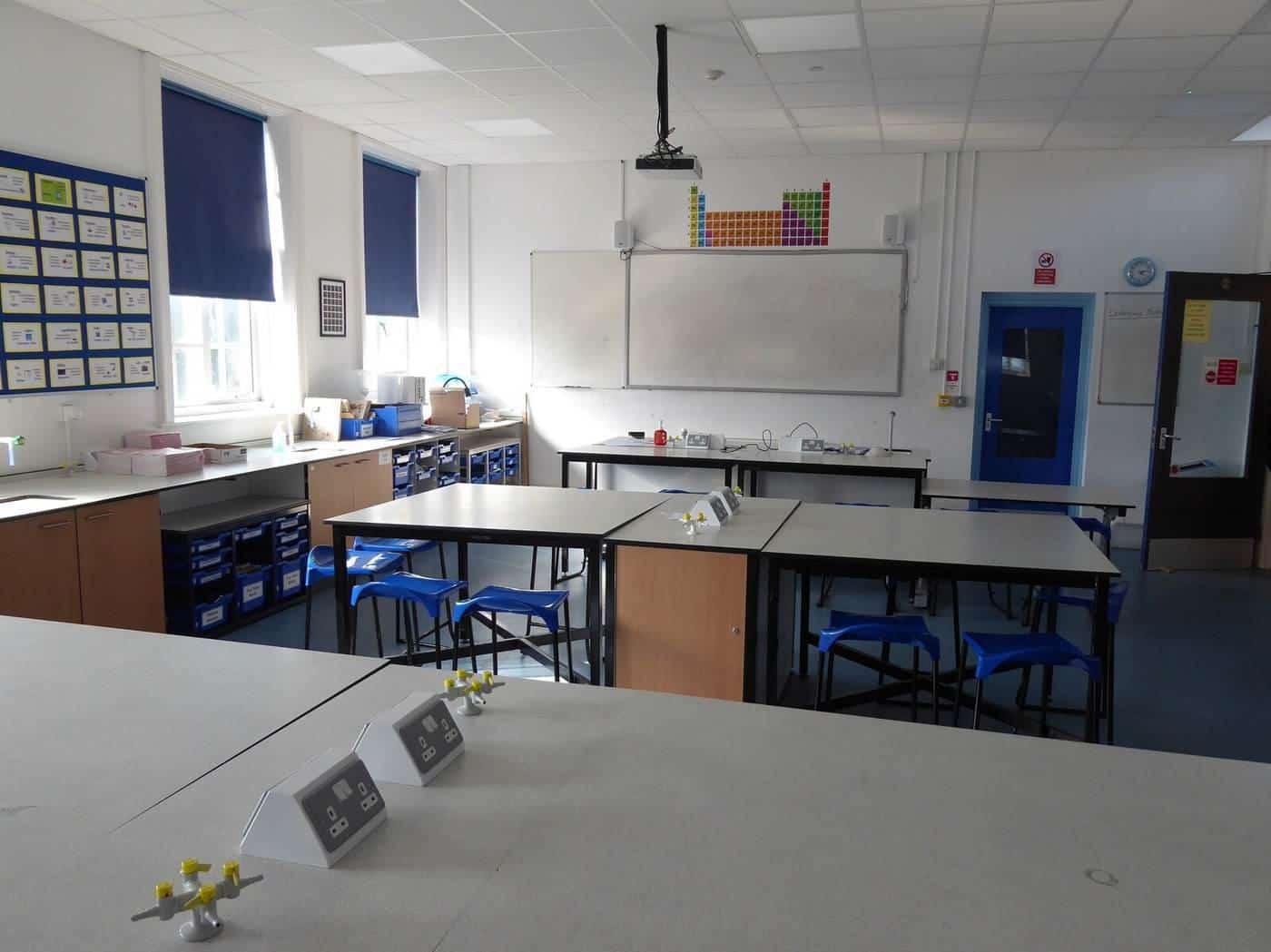
Applications and waiting lists
How non-government school applications work: timelines, waiting lists, application fees, interviews, offers, deposits and keeping your options open.
Read · 6 min
Enrolling
How school funding works
How Australian school funding works: the Schooling Resource Standard, loadings, capacity to contribute, the Direct Measure of Income and fees.
Read · 5 min
Enrolling
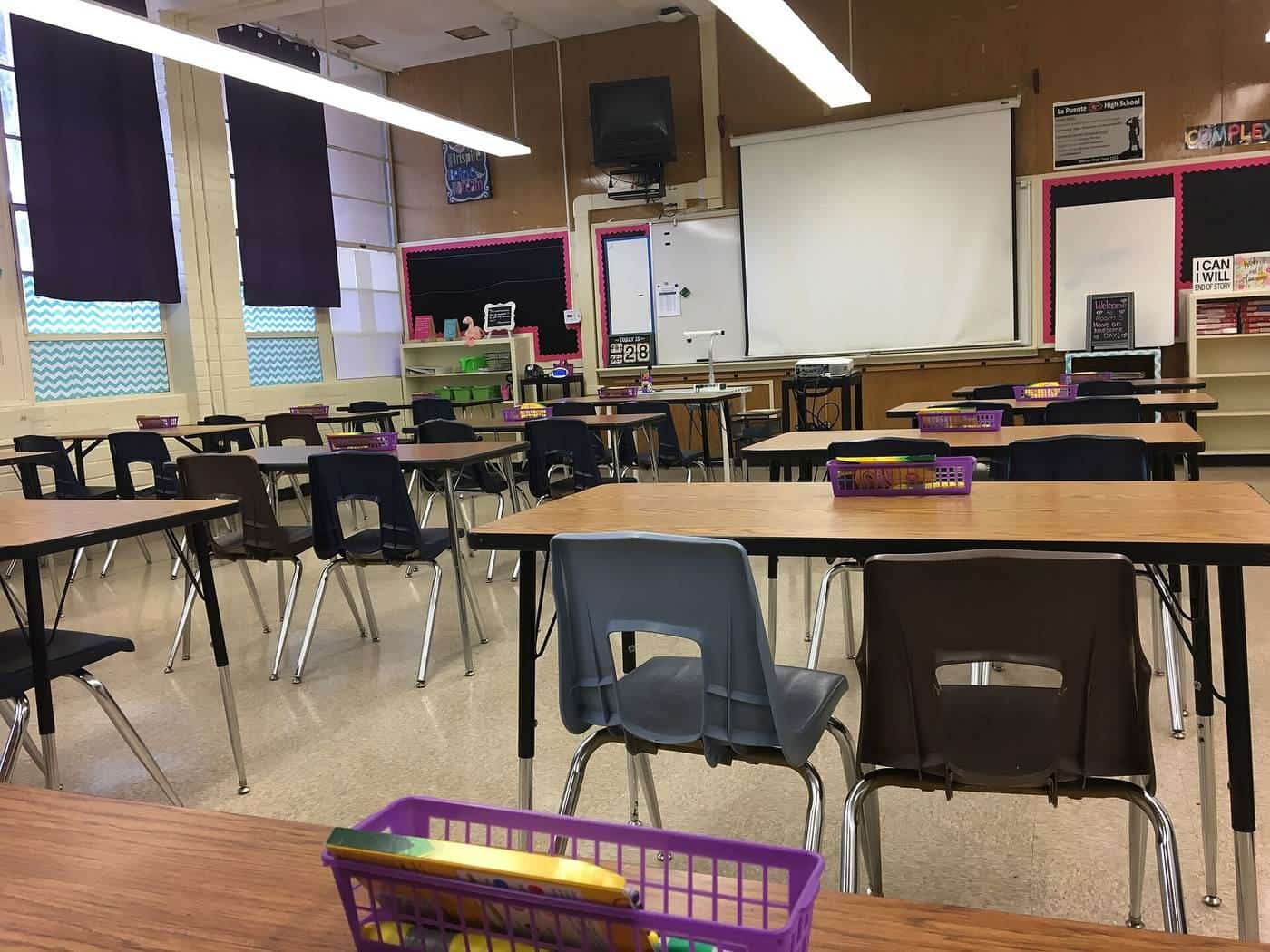
School types explained
Australian school types explained: government, Catholic systemic, independent, faith-based, specialist and boarding, and how they are regulated.
Read · 6 min
Enrolling
Changing schools
How to change schools well: deciding whether to move, notice periods and fees, timing, records, and helping your child settle somewhere new.
Read · 5 min
Frequently asked questions
When should I apply?
It depends on the school. Some take applications years ahead; others have places close to the start date. Check each school’s enrolment policy early.
Is an application fee refundable?
Often not. Check before you pay, especially if applying to several schools.
How are non-government schools funded?
Through the Schooling Resource Standard, with the base amount reduced by 10 to 80 per cent according to the community’s capacity to contribute, plus fees.
Can I change schools mid-year?
Yes, if a place is available, but check your current school’s notice period first.
Sources and further reading
Facts on this page were checked against these primary and official sources. Conditions change — confirm before you travel or buy.
- List of registered non-government schools — NSW Government (NESA)
- Schooling Resource Standard — Australian Government Department of Education
- Capacity to contribute — Australian Government Department of Education
- Contracts — ACCC