Most non-government schools put a lot of effort into their open days. There are student guides in pressed uniforms, displays of artwork, a performance in the hall and a speech from the principal. It's all genuine in its way, but it's also a marketing event. The aim of a visit is to see past the showcase to how the school works on an ordinary Tuesday. This guide explains how to prepare, what to watch for and how to turn your impressions into a decision.
3–4
Schools worth touring
Including a government option
Ordinary day
Best time to visit
As well as the open day
Registered
Check before you go
With the state regulator
Before you go
A little preparation makes a tour far more useful.
- Read the school's My School profile. ACARA's My School shows enrolments, staff numbers, attendance, NAPLAN results compared with similar students, and finances. Note anything you want to ask about. Our guide to comparing schools explains how to read it.
- Check registration. Every non-government school must be registered with its state or territory authority. In New South Wales, for example, NESA publishes a searchable list of registered non-government schools and explains that registration is the licence to operate, while accreditation allows a school to present students for the RoSA or HSC.
- Read the enrolment policy and fee schedule. Know the application process, key dates and the conditions of enrolment before you fall in love with the place.
- Write down your priorities. What matters most for your child? Academic stretch, learning support, a particular subject, sport, music, faith, size, travel time? Rank them.
- Prepare questions. Our list of questions to ask a school is a good start.
Open day or private tour?
Open days show you the facilities, a lot of staff in one place and the school's own story about itself. They're good for a first look and for comparing several schools quickly.
Private or small-group tours on a normal school day show you classes in progress, the noise and movement between lessons and how students behave when they're not on display. If the school offers them, they're often more revealing.
If you're serious about a school, try to do both.
What to watch for
Students
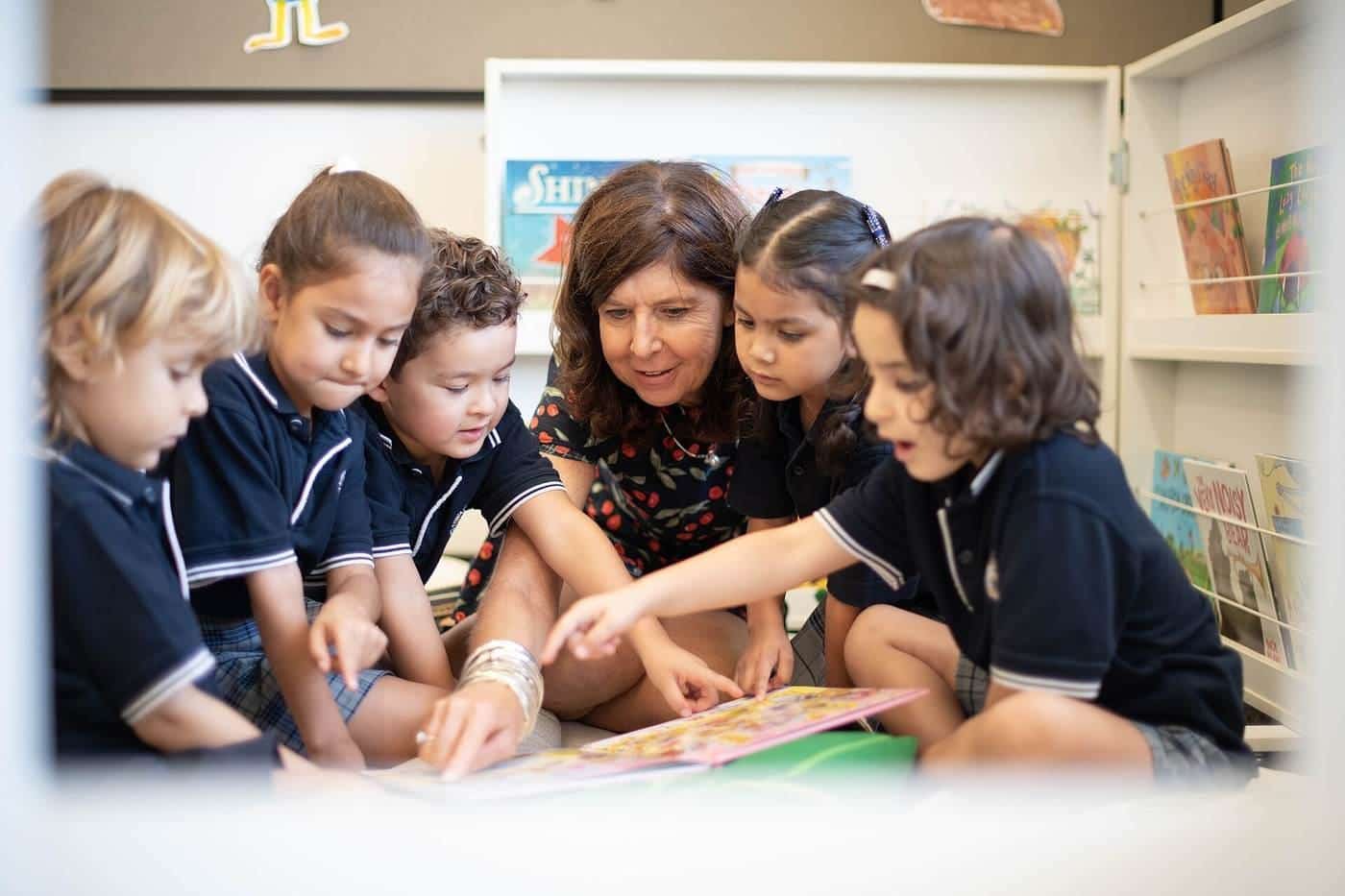
Watch how students behave when they think no one is watching: in corridors, at break and between classes. Are they engaged, relaxed and respectful with each other and with staff? Do they seem happy to be there? Student guides are usually chosen for their polish, so pay attention to everyone else too.
Teachers and staff
Notice how staff speak to students. Do they know names? Is the tone warm, firm, rushed, distant? If you can, talk to a teacher in an area that matters to your child, not just the principal or the enrolments officer.
Classrooms
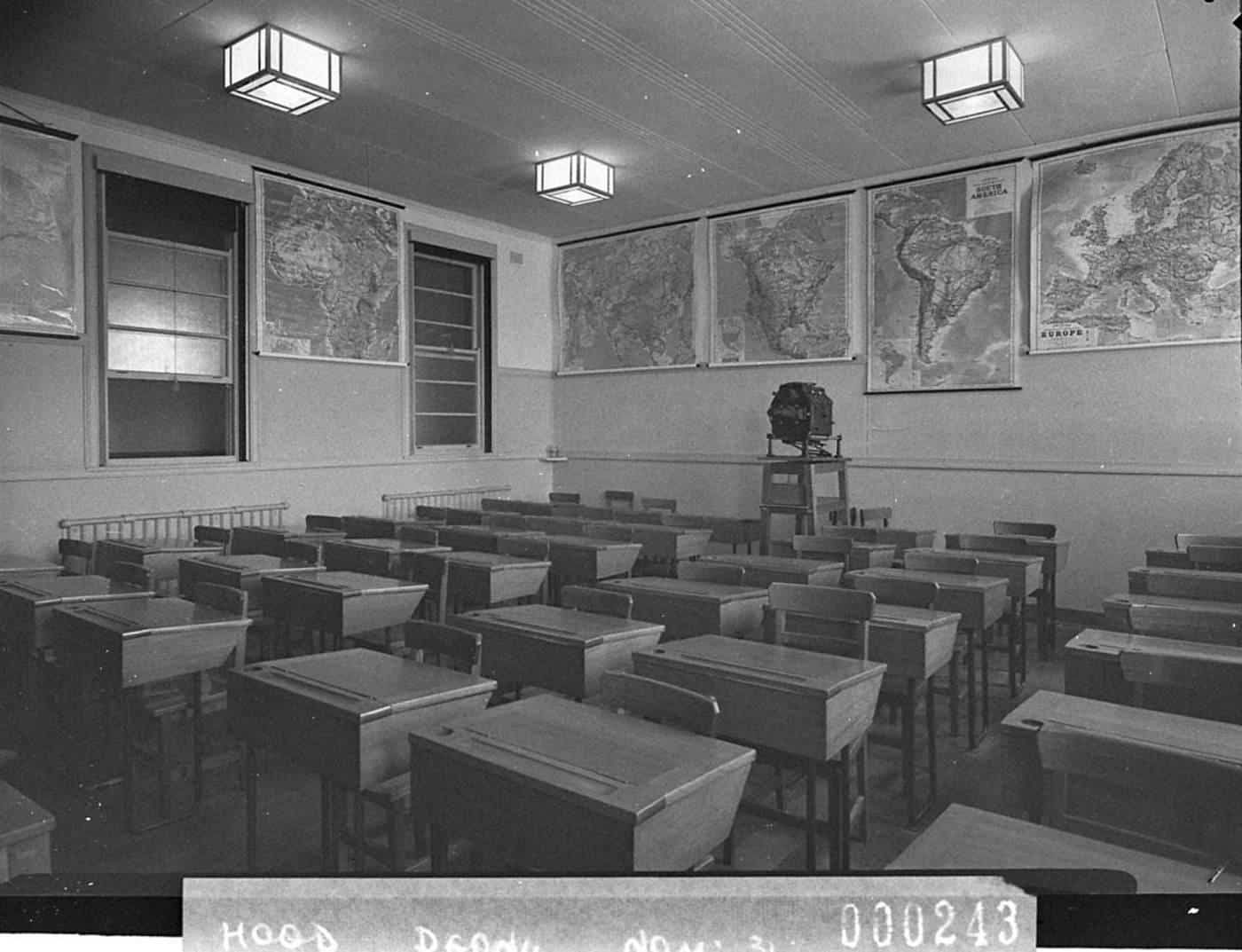
Look at what's on the walls. Is it current student work, and does it show a range of abilities, or only the best examples? Are classrooms orderly but lived-in? Is there evidence of the kind of learning you value?
Facilities
Impressive buildings are easy to notice. More important is whether the facilities your child will actually use are well maintained and available. A new performing arts centre means little to a child who wants a decent science lab or a quiet library.
Support
Ask to see where learning support happens, and who provides it. Ask about wellbeing staff, counsellors and how students with additional needs are included.
Questions for the tour
- What does a typical day look like for a student in my child's year?
- How big are classes in that year, and how are classes formed?
- How do you support students who are struggling, and those who need extension?
- How do you handle bullying, and how are parents told?
- How do teachers communicate with parents, and how often?
- What co-curricular activities are included in the fees, and which cost extra?
- What are the compulsory extras, such as uniforms, devices, camps and levies?
- What notice is required to withdraw, and what fees apply if notice isn't given?
The last question matters more than many parents realise. Our guide to enrolment contracts and notice periods explains why.
Talking to current families
Current parents and students are often the most honest source. Talk to people at the school gate, at local sport, or through friends. Ask what they like, what they'd change and how the school handled a problem. Remember that every family's experience is individual. One bad story or one glowing one shouldn't decide things on its own, but patterns matter.
Taking notes
After a few schools, impressions blur. Take notes during or immediately after each visit. A simple template helps:
- three things you liked;
- three things that concerned you;
- how your child reacted;
- answers to your key questions;
- costs, including extras;
- travel time and transport options.
Score each school against your priorities. It won't make the decision for you, but it'll keep you honest.
Red flags
- Staff who can't or won't answer straightforward questions about fees, class sizes or support.
- Pressure to pay a deposit or sign quickly before you've read the terms.
- A tour that only shows new buildings and never shows ordinary classrooms.
- Vague answers about how bullying or complaints are handled.
- Claims about results that don't match the school's published data.
Bringing your child
Older children usually have strong views, and their sense of whether they'd belong is important. For younger children, watch how they respond to the environment. Afterwards, ask open questions: what did you notice, what did you like, what would worry you? Listen rather than lead.
Comparing afterwards
Sit down with your notes and your priorities. Compare schools on what matters for your child, not on what's most impressive. Include the realistic costs, using our cost planner, and the practicalities of getting there every day for years. If you're torn, a second visit on an ordinary school day often settles it.
Visiting with a child who has additional needs
If your child has a disability, learning difficulty or wellbeing needs, ask in advance to meet the staff who would support them. Ask to see the spaces where support happens, and ask about recent examples of how the school has made adjustments for students with similar needs. Notice whether staff speak about inclusion in practical terms or only in general statements. Ask how support is planned with families and how often it's reviewed.
Virtual tours and online information
Many schools offer virtual tours, videos and online information sessions. They're useful for a first look and for families who live far away, especially those considering boarding. But they're curated. Treat them as a starting point, and visit in person before committing if you possibly can.
After the tour
Follow up with any questions you didn't get to ask, and note how quickly and clearly the school responds. Responsiveness during enrolment is often a fair preview of how the school communicates once your child is a student.
Key points
- Prepare: read My School, check registration, read the enrolment policy and fees.
- Watch students and staff when they're not performing, and see ordinary classrooms.
- Ask specific questions about class sizes, support, extras and withdrawal notice.
- Talk to current families and take notes after every visit.
- Compare against your child's priorities and the full cost, not the showcase.
Frequently asked questions
When do schools hold open days?
It varies by school. Many hold them a year or more before entry. Check each school’s website and enrolment timeline early, because some fill places well in advance.
Is a private tour better than an open day?
They do different jobs. Open days show the school at its most polished; a smaller tour on a normal school day often shows more of everyday life. Ask for both if you can.
Should I bring my child?
Usually yes, especially for older children. Their reaction matters. For a first look at many schools, some parents go alone and bring their child to the shortlist.
What should I check before visiting?
Look at the school’s My School profile, its website, its enrolment policy and fee schedule, and confirm it is registered with your state or territory regulator.
How many schools should I tour?
Enough to compare. Many families find three or four genuine options, including a government school, gives a useful baseline.
Sources and further reading
Facts on this page were checked against these primary and official sources. Conditions change — confirm before you travel or buy.
- About My School — ACARA (My School)
- List of registered non-government schools — NSW Government (NESA)
- Non-government schools — NSW Government (NESA)